
-
ProductsQingdao Oulide Machinery Co., Ltd. is located in Jiaonan City, West Coast New Area, Qingdao, a coastal city in Shandong Province.
 Contact UsTel: 8613573855822
E-mail: sales@qdolide.cn
Factory Address: Gaoze Industrial Park, Wulian County, Rizhao City, Shandong Province, China
Export Office: RM1306 Jinding Mansion, No. 83, Haier Road, Laoshan District, Qingdao, China -
ServiceQingdao Oulide Machinery Co., Ltd. is located in Jiaonan City, West Coast New Area, Qingdao, a coastal city in Shandong Province.
 Contact UsTel: 8613573855822
E-mail: sales@qdolide.cn
Factory Address: Gaoze Industrial Park, Wulian County, Rizhao City, Shandong Province, China
Export Office: RM1306 Jinding Mansion, No. 83, Haier Road, Laoshan District, Qingdao, China -
BlogQingdao Oulide Machinery Co., Ltd. is located in Jiaonan City, West Coast New Area, Qingdao, a coastal city in Shandong Province.
 Contact UsTel: 8613573855822
E-mail: sales@qdolide.cn
Factory Address: Gaoze Industrial Park, Wulian County, Rizhao City, Shandong Province, China
Export Office: RM1306 Jinding Mansion, No. 83, Haier Road, Laoshan District, Qingdao, China -
AboutQingdao Oulide Machinery Co., Ltd. is located in Jiaonan City, West Coast New Area, Qingdao, a coastal city in Shandong Province.
 Contact UsTel: 8613573855822
E-mail: sales@qdolide.cn
Factory Address: Gaoze Industrial Park, Wulian County, Rizhao City, Shandong Province, China
Export Office: RM1306 Jinding Mansion, No. 83, Haier Road, Laoshan District, Qingdao, China
How to Choose the Right Commercial Odor Control System for Your Facility
Release time:
2026-06-20 19:40
Source:

How to Choose the Right Commercial Odor Control System for Your Facility
Table of Contents
- Understanding Odor Control Systems
- Importance of Odor Control in Commercial Facilities
- Key Factors to Consider When Choosing an Odor Control System
- Types of Commercial Odor Control Systems
- Assessing Your Facility's Needs
- Installation and Maintenance
- Cost Considerations for Odor Control Systems
- Best Practices for Odor Control in Commercial Spaces
- FAQs About Commercial Odor Control Systems
Understanding Odor Control Systems
Choosing the right commercial odor control system starts with understanding what these systems are designed to do. Odor control systems are specialized technologies aimed at eliminating or reducing unpleasant smells in various environments, such as restaurants, manufacturing facilities, waste management sites, and more. They employ different methods and technologies to neutralize or eliminate odors at their source.
Importance of Odor Control in Commercial Facilities
The significance of maintaining a pleasant environment cannot be overstated, especially in commercial facilities. A well-implemented odor control system can result in several benefits:
1. **Enhanced Customer Experience**: Businesses such as restaurants and retail stores heavily rely on customer satisfaction. Unpleasant odors can lead to negative experiences, driving customers away.
2. **Improved Employee Morale**: A clean and odor-free workplace contributes to higher employee satisfaction and productivity.
3. **Regulatory Compliance**: Many industries face strict regulations regarding air quality. An effective odor control system can help facilities comply with local and national laws.
4. **Brand Reputation**: Maintaining a good reputation is crucial for any business. A foul smell can tarnish your brand and affect customer loyalty.
Key Factors to Consider When Choosing an Odor Control System
When selecting an odor control system for your facility, several key factors must be taken into account:
1. Nature of the Odor
Different odors require specific treatment methods. Identifying the source and type of odor is essential for choosing the right system.
2. Size of the Facility
Larger facilities may require more robust systems or multiple units, while smaller spaces can benefit from compact solutions.
3. Budget Constraints
Understanding your budget will help you narrow down your options. Remember to factor in both initial costs and ongoing maintenance expenses.
4. Ease of Installation and Maintenance
Some systems can be complex to install and maintain. Choosing a user-friendly system can save you time and money in the long run.
5. Environmental Impact
Consider systems that are environmentally friendly and sustainable, ensuring minimal impact on the ecosystem.
Types of Commercial Odor Control Systems
A wide range of odor control technologies is available in the market. Here’s a closer look at some of the most common types:
Air Scrubbing Systems
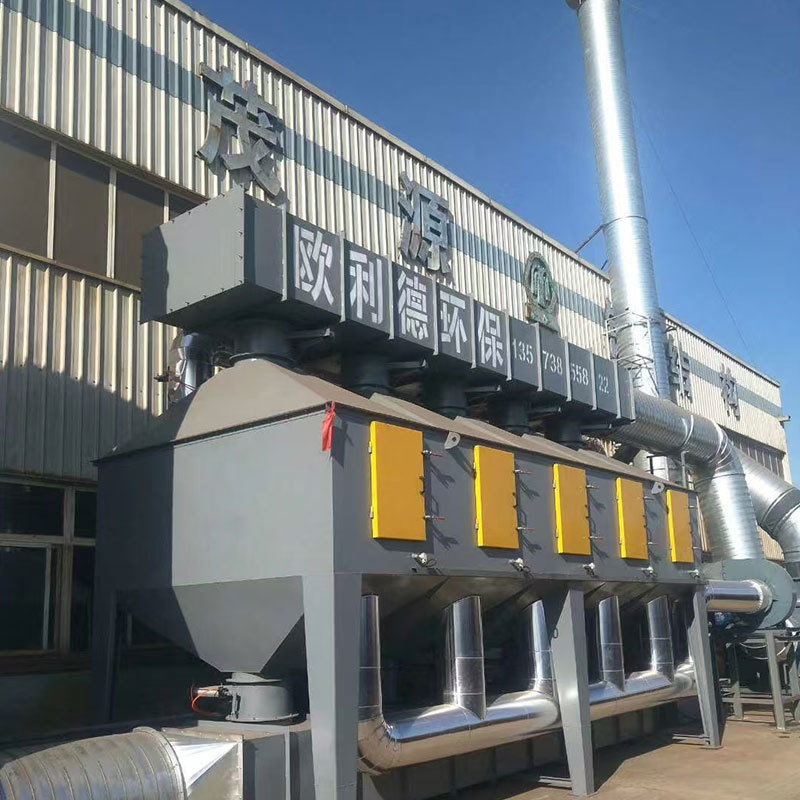
Air scrubbing systems are designed to filter and purify air by removing contaminants, including odors. They utilize various technologies, such as HEPA filters and UV light, to improve air quality effectively. These systems are ideal for facilities that deal with strong odors, such as food processing plants.
Activated Carbon Filters
Activated carbon filters are highly effective in adsorbing odors. They work by trapping odor molecules in their porous structure, making them an excellent choice for commercial kitchens and waste management facilities. Regular replacement of these filters is necessary to maintain efficiency.
Ozone Generators
Ozone generators produce ozone, which can neutralize odors at the molecular level. While they can be effective, it’s crucial to use ozone generators cautiously, as high ozone levels can pose health risks.
Chemical Neutralization Systems
These systems employ chemical agents to neutralize odors. They are often used in industrial applications where specific odors must be targeted. However, caution should be exercised to ensure the safety of employees and compliance with regulations.
Assessing Your Facility's Needs
Before making a purchase, conducting a thorough assessment of your facility’s unique needs is crucial. Consider the following:
1. **Odor Identification**: Identify primary odor sources and characteristics.
2. **Airflow Patterns**: Understand how air moves within your facility to determine the best placement for odor control systems.
3. **Space Constraints**: Evaluate available space for installation and maintenance access.
4. **Regulatory Requirements**: Be aware of any specific regulations that apply to your industry regarding air quality.
Installation and Maintenance
Proper installation and ongoing maintenance are vital for the efficacy of any odor control system. Here are some tips:
1. **Professional Installation**: Engage qualified professionals for installation to ensure optimal functionality.
2. **Regular Maintenance**: Schedule routine maintenance checks to keep the system in good working order.
3. **Monitor Performance**: Continuously monitor the system's performance and adjust settings as necessary.
Cost Considerations for Odor Control Systems
Understanding the financial aspect of odor control systems is essential. Costs can vary significantly based on:
1. **Initial Purchase Price**: The upfront cost of the system itself.
2. **Installation Costs**: Expenses related to professional installation services.
3. **Operating Costs**: Ongoing costs, including power consumption and replacement parts.
4. **Maintenance Fees**: Budget for regular maintenance to prolong the system’s lifespan.
Best Practices for Odor Control in Commercial Spaces
Implementing best practices can maximize the effectiveness of your odor control strategies:
1. **Conduct Regular Audits**: Routinely assess odor levels and system performance.
2. **Educate Staff**: Train employees on proper use and maintenance of odor control systems.
3. **Promote Good Hygiene**: Maintain cleanliness in all areas to prevent odor buildup.
4. **Utilize Complementary Technologies**: Consider combining systems for comprehensive odor management.
FAQs About Commercial Odor Control Systems
1. What factors contribute to odor issues in commercial facilities?
Common factors include waste disposal practices, food preparation processes, and industrial activities that generate strong odors.
2. How often should I replace filters in my odor control system?
Replacement frequency can vary based on usage and system type, but it’s generally recommended every 3 to 6 months.
3. Are ozone generators safe for indoor use?
Ozone generators can be effective but must be used carefully to avoid health risks associated with high ozone levels. It’s essential to follow manufacturer guidelines.
4. Can I install an odor control system myself?
While some systems can be installed independently, engaging professionals is advisable for optimal performance and compliance with regulatory standards.
5. How do I know if my odor control system is effective?
Regular monitoring, customer feedback, and air quality assessments can help determine the effectiveness of your odor control system.
Conclusion
Choosing the right commercial odor control system for your facility is a crucial investment in maintaining a pleasant and productive environment. By understanding the different types of systems available, assessing your facility’s specific needs, and considering key factors such as cost and maintenance, you can make an informed decision that meets your operational demands. Implementing these strategies will not only enhance the overall atmosphere of your facility but also contribute to improved customer satisfaction and employee morale.
Ultimately, investing in a high-quality odor control system is about more than just eliminating unpleasant smells; it's about creating an environment where everyone can thrive.
Related blogs
Top Benefits of Using Cloth Strip Dust Removal in Your Facility
Top Benefits of Using Cloth Strip Dust Removal in Your Facility Table of Contents 1. Introduction to Cloth Strip Dust Removal 2. What is Cloth Strip Dust Removal? 3. Benefits of Using Cloth Strip Dust Removal 3.1 Enhanced Air Quality 3.2 Improved Worker Health and Safety 3.3 Cost-Effectiveness 3.4 Increased Operational Efficienc
Effective Solutions for Cloth Strip Dust Removal Equipment in Industrial Settings
In industrial environments, maintaining a clean and safe workspace is critical to both employee health and operational efficiency. One effective solution for dust removal is the use of cloth strip dust removal equipment. This specialized technology is designed to capture and eliminate airborne dust particles, ensuring that the air quality remains optimal for workers while minimizing equipment wear
Top Benefits of Using Dustless Media Blasting for Your Surface Preparation
Top Benefits of Using Dustless Media Blasting for Your Surface Preparation In the world of industrial equipment and components, particularly in surface preparation, the methods you choose can significantly impact the quality of your work. One such method that has been gaining momentum is **dustless media blasting**. This technique not only streamlines the preparation process but also presents an a
Revolutionizing Surface Preparation: The Benefits of Dustless Media Blasting Equipment
In the realm of industrial surface preparation, dustless media blasting equipment has emerged as a game-changer. This innovative technology combines the effectiveness of traditional blasting methods with the added benefit of dust suppression, making it an increasingly popular choice for professionals in various sectors. Understanding how dustless media blasting works and its advantages can help bu
Revolutionizing Surface Treatment: The Advantages of Mesh Belt Shot Blasting Machines
Revolutionizing Surface Treatment: The Advantages of Mesh Belt Shot Blasting Machines Table of Contents Introduction to Mesh Belt Shot Blasting Machines What is Shot Blasting? How Mesh Belt Shot Blasting Machines Work Advantages of Mesh Belt Shot Blasting Machines Increased Efficiency Superior Surface Finish Versatility in Applications
Exploring the Benefits of Mesh Belt Shot Blasting Machines in Industrial Cleaning
Mesh belt shot blasting machines are essential tools in the industrial cleaning equipment sector, particularly for applications requiring robust surface treatment and preparation. These machines utilize a combination of a continuous mesh belt and high-velocity steel shots to clean, deburr, and enhance the surface quality of various materials. Unlike conventional blasting methods, the mesh belt des

Email:
Our company is willing to promote customer satisfaction projects with new technologies, reliable quality, favorable prices, and a customer-centric approach. We sincerely cooperate with new and old customers to create brilliance together.